
Top 2026 Healthcare Furniture Trends to Watch
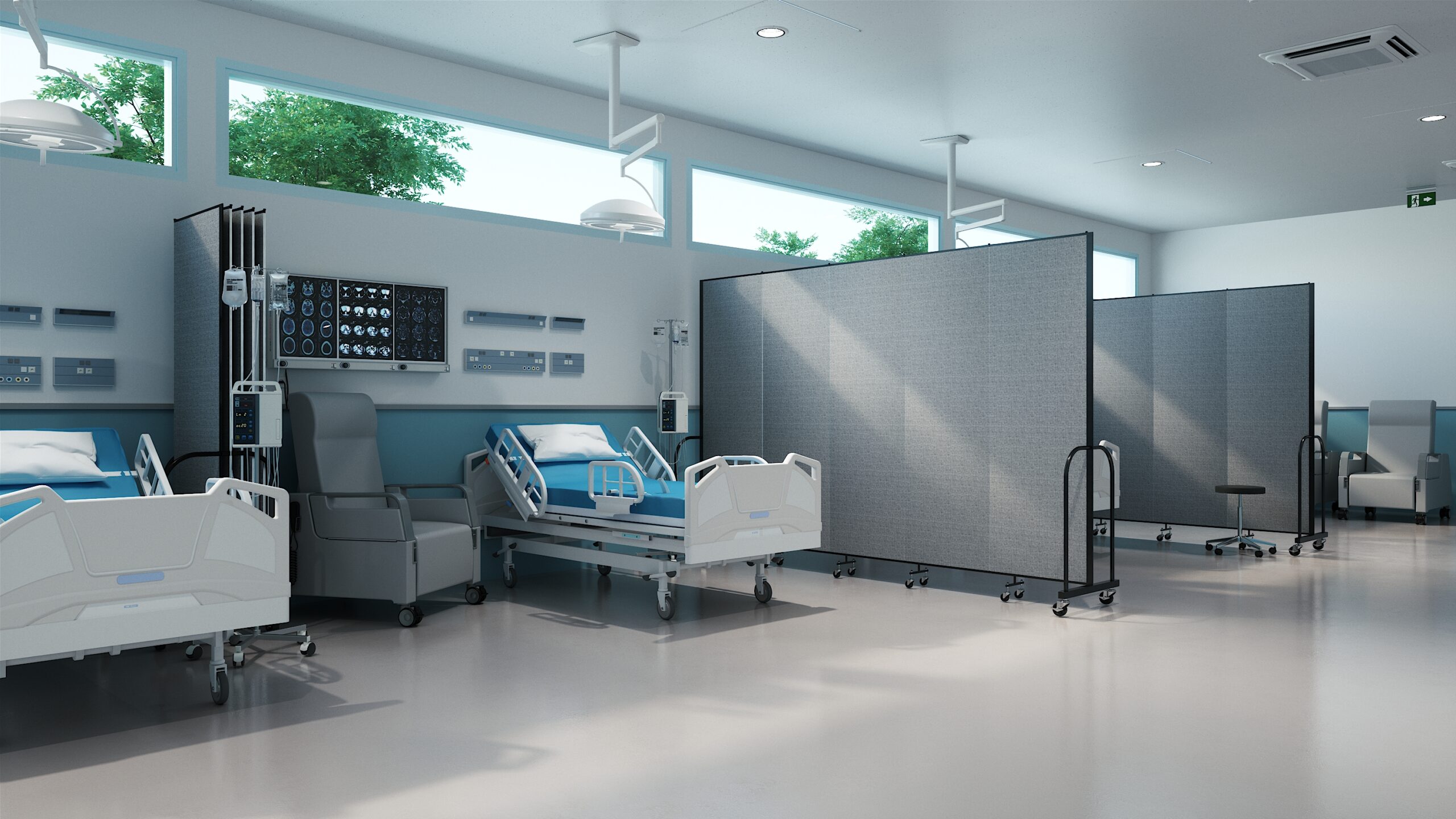
The top 2026 healthcare furniture trends have begun to emerge, setting the stage for healthcare design for the foreseeable future. Discover how emerging technologies and innovative approaches are reshaping healthcare furniture, patient care, operational efficiency, and clinical outcomes in the healthcare industry. Our team can visualize these furniture trends for any upcoming presentations you may have. Or take advantage of this knowledge when using products like The KITS collaborator.
Flexible and Ergonomic Seating Solutions
The healthcare industry is experiencing a shift in how seating solutions are designed and implemented across clinical environments. Flexible and ergonomic seating has emerged as a critical factor in addressing the diverse needs of patients, staff, and visitors who spend extended periods in healthcare facilities. Modern seating solutions now incorporate adjustable features, supportive materials, and adaptable configurations that accommodate different body types, medical conditions, and usage scenarios.
The integration of adaptive seating technology extends beyond traditional waiting areas into examination rooms, patient rooms, and collaborative clinical spaces. Heavier frame options with reinforced structures, mobility-enhanced chairs with assistance features, and modular seating arrangements that can be reconfigured based on departmental needs are defining the future of healthcare furniture. This flexibility ensures that healthcare environments can rapidly adapt to changing patient volumes, diverse demographics, and evolving care methods without requiring complete furniture replacement.
Acoustic and Privacy Considerations in Furniture Design
Privacy and confidentiality remain paramount concerns in healthcare settings, and furniture design is playing an increasingly vital role in addressing acoustic challenges. Modern healthcare furniture now incorporates sound-absorbing materials, strategic panel placements, and architectural elements that create visual and auditory barriers without compromising the open, welcoming atmosphere that modern healthcare design seeks to achieve. These acoustic innovations help facilities comply with HIPAA regulations while reducing stress levels for both patients and staff.
The evolution of acoustic furniture design also addresses the challenges of increasingly technology-dense environments. Healthcare facilities are integrating furniture with built-in cable management, equipment housing, and technology interfaces that minimize the visual and acoustic clutter associated with modern medical equipment. This holistic approach to acoustic and privacy innovation ensures that healthcare spaces remain healing environments despite the proliferation of necessary medical technology and the constant activity of busy clinical settings.
Functional Workspaces for Staff
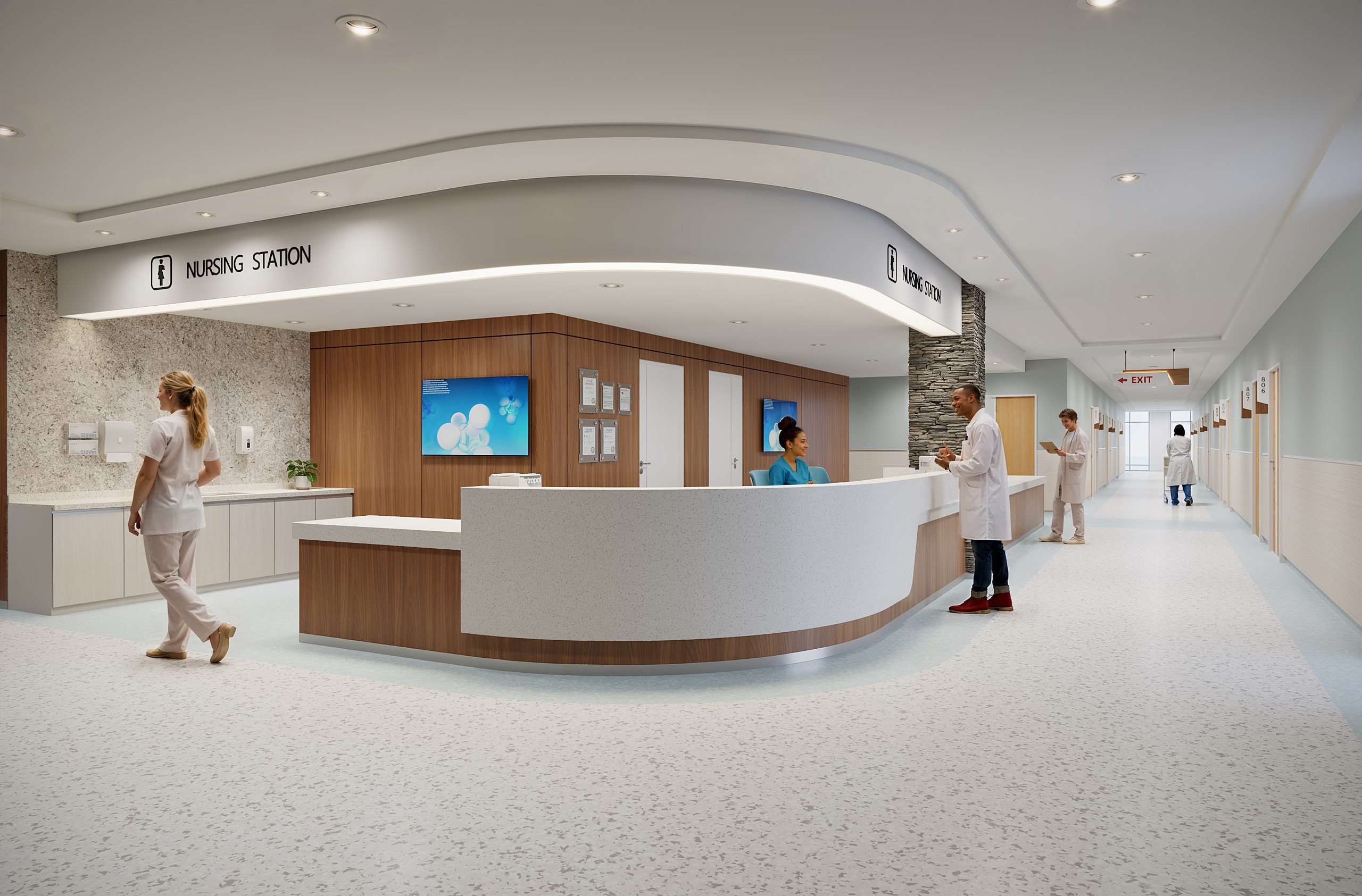
Healthcare staff productivity and wellbeing are directly influenced by workspace design, and 2026 trends reflect an understanding of how functional furniture can transform clinical workflows. Modern nursing stations, physician workspaces, and other areas now feature height-adjustable work surfaces, integrated technology docking stations, and modular storage solutions that adapt to different shift patterns and clinical specialties. These functional workspaces acknowledge that healthcare professionals require both focused individual work areas and collaborative spaces that facilitate team-based care delivery.
Healthcare facilities are also investing in staff-respective areas with comfortable, restorative furniture that supports mental health and recovery between demanding shifts. Break rooms now feature ergonomic lounge seating, quiet zones with sound-masking furniture, and collaborative spaces with configurable furniture that can transform from individual relaxation areas to team meeting spaces. This comprehensive approach to staff workspace design acknowledges that healthcare workers’ physical and mental well-being directly impacts patient care quality, making functional and supportive furniture an essential investment in clinical outcomes.
Durability without Sacrificing Visual Appeal
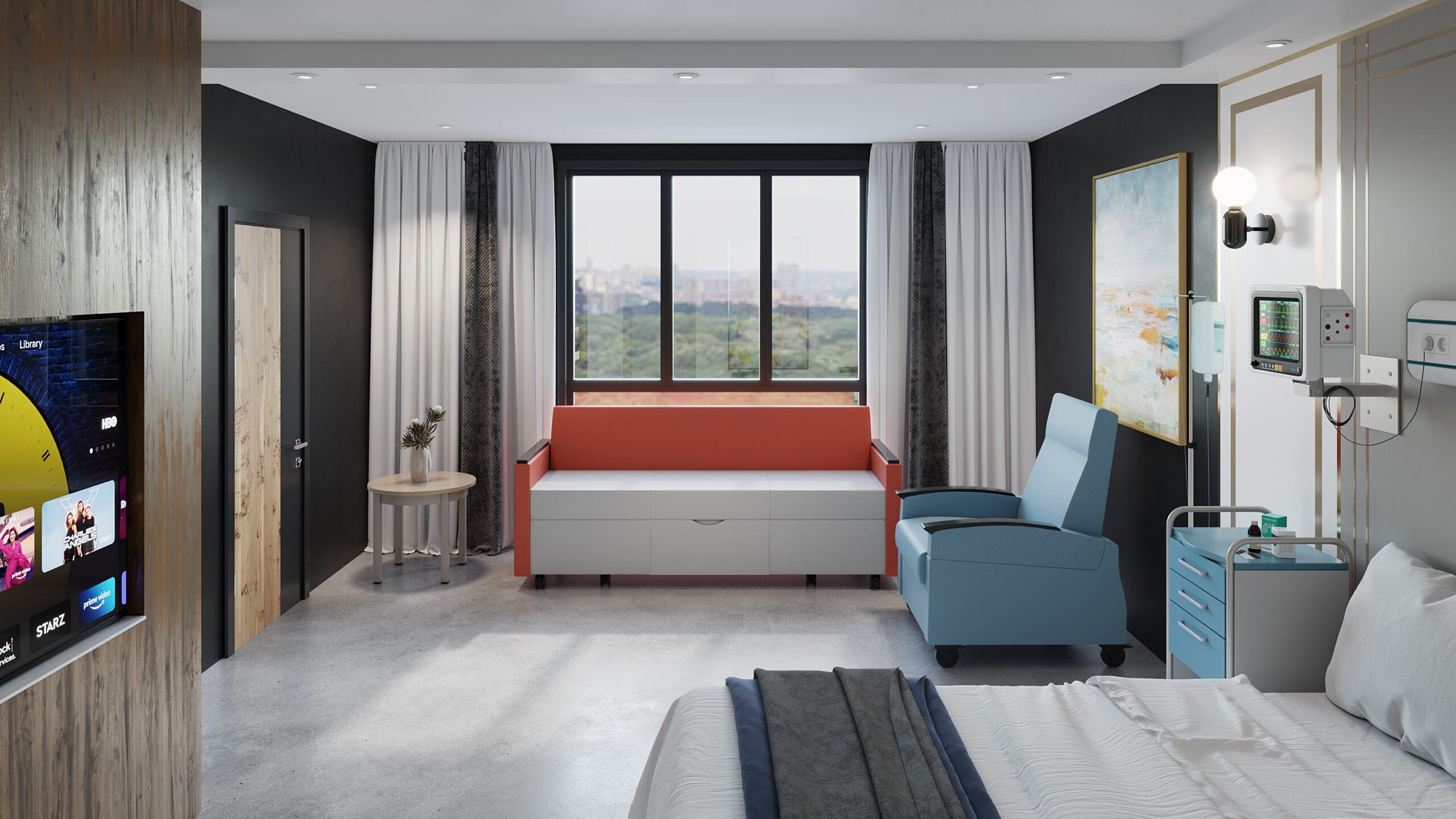
The demand for healthcare furniture that withstands rigorous disinfection protocols while maintaining aesthetic appeal has driven significant innovation in materials science and design philosophy. Modern healthcare furniture successfully balances clinical durability requirements with the residential aesthetics that promote healing and reduce patient anxiety. Advanced upholstery materials now offer antimicrobial properties, fluid resistance, and bleach-cleanable surfaces while presenting in sophisticated colors and textures that rival high-end hospitality design.
Healthcare facilities are moving away from the institutional appearance that characterized previous generations of clinical furniture. Today’s durable solutions incorporate wood-look laminates that resist damage and disinfection protocols, seamless upholstery construction that eliminates contamination-harboring points, and powder-coated metal finishes in warm tones that create welcoming environments. These design innovations recognize that patients, families, and staff respond positively to aesthetically pleasing environments, which can improve satisfaction scores, reduce stress, and even contribute to better clinical outcomes.
Smart Exam Room Furniture
The integration of technology into examination room furniture represents one of the most transformative trends reshaping healthcare environments in 2026. Smart exam room furniture incorporates embedded sensors and technology interfaces that enhance both clinical workflows and patient experiences. Examination tables now feature built-in scales, automated positioning controls, and pressure-sensing surfaces that alert staff to patient movement. These technological enhancements improve clinical accuracy while reducing the physical demands on healthcare workers who previously needed to manually position patients and equipment.
The future of smart exam room furniture extends into predictive analytics and environmental monitoring capabilities. Furniture equipped with weight sensors can track patient trends over time, integrated air quality monitors can alert staff to ventilation issues, and occupancy sensors can optimize room utilization and cleaning schedules. These data-driven insights enable healthcare facilities to continuously improve operational efficiency, maintain optimal healing environments, and identify potential issues before they impact patient care. As healthcare continues its digital transformation, smart furniture serves as the physical foundation that connects clinical workflows, patient experiences, and facility operations into an integrated ecosystem designed to optimize outcomes and efficiency.