
The Difference a Dedicated CAD Designer Makes
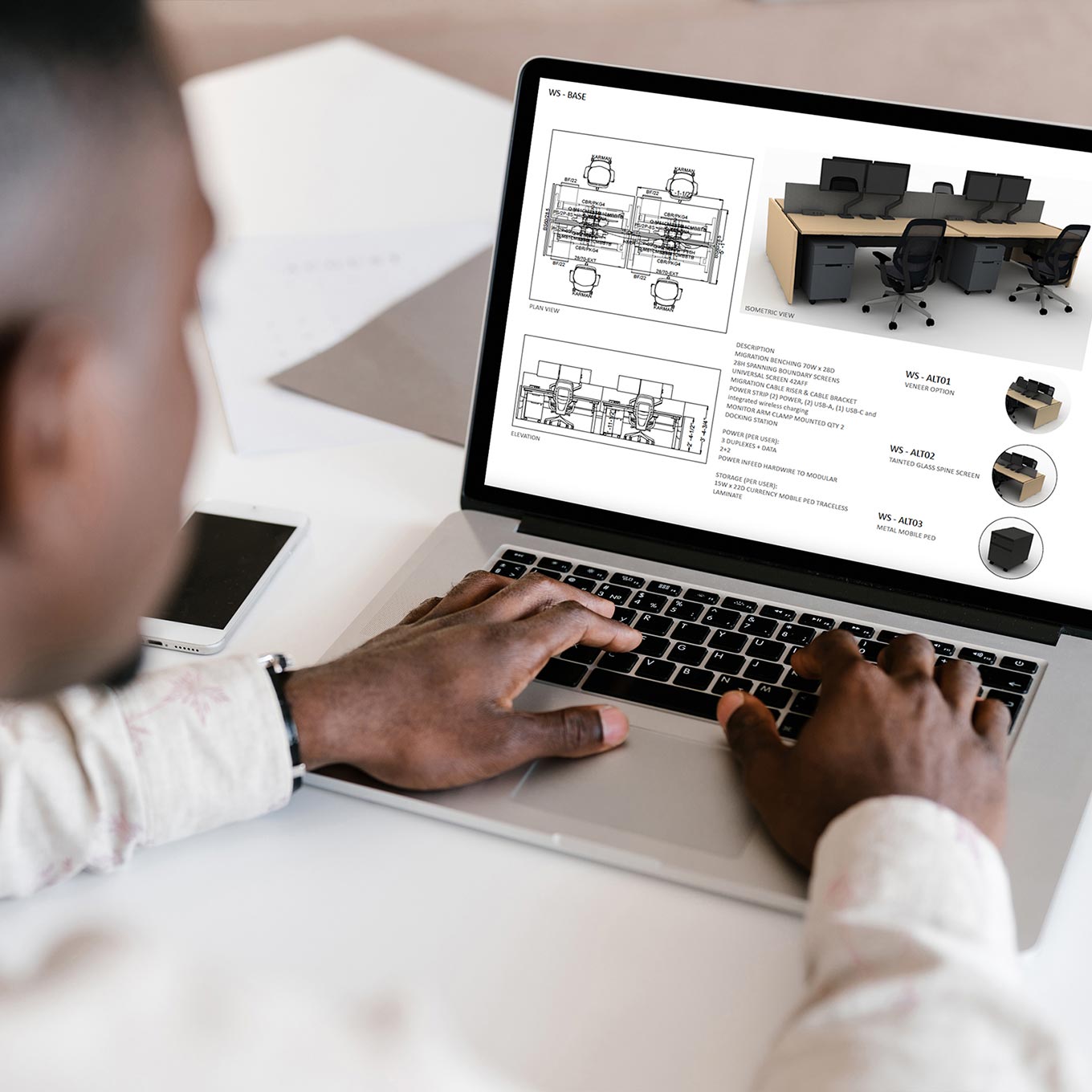
When you need extra CAD support, finding someone who can produce a drawing is only part of the equation. The greater value comes from working with a CAD Designer who takes the time to understand how your team operates and can become familiar with the standards, processes and expectations that shape your projects.
Every company has its own way of working. There are preferred manufacturers, title blocks, file structures, project requirements and countless smaller details that an internal team understands without needing to explain them each time. When CAD work moves between different people from project to project, that knowledge has to be transferred repeatedly, which can create more work than expected.
The time spent explaining standards, answering questions, reviewing drawings and requesting revisions may seem minor on an individual project, but those small delays add up quickly. This is where the value of a dedicated CAD designer becomes more apparent.
A Designer Who Gets to Know Your Business
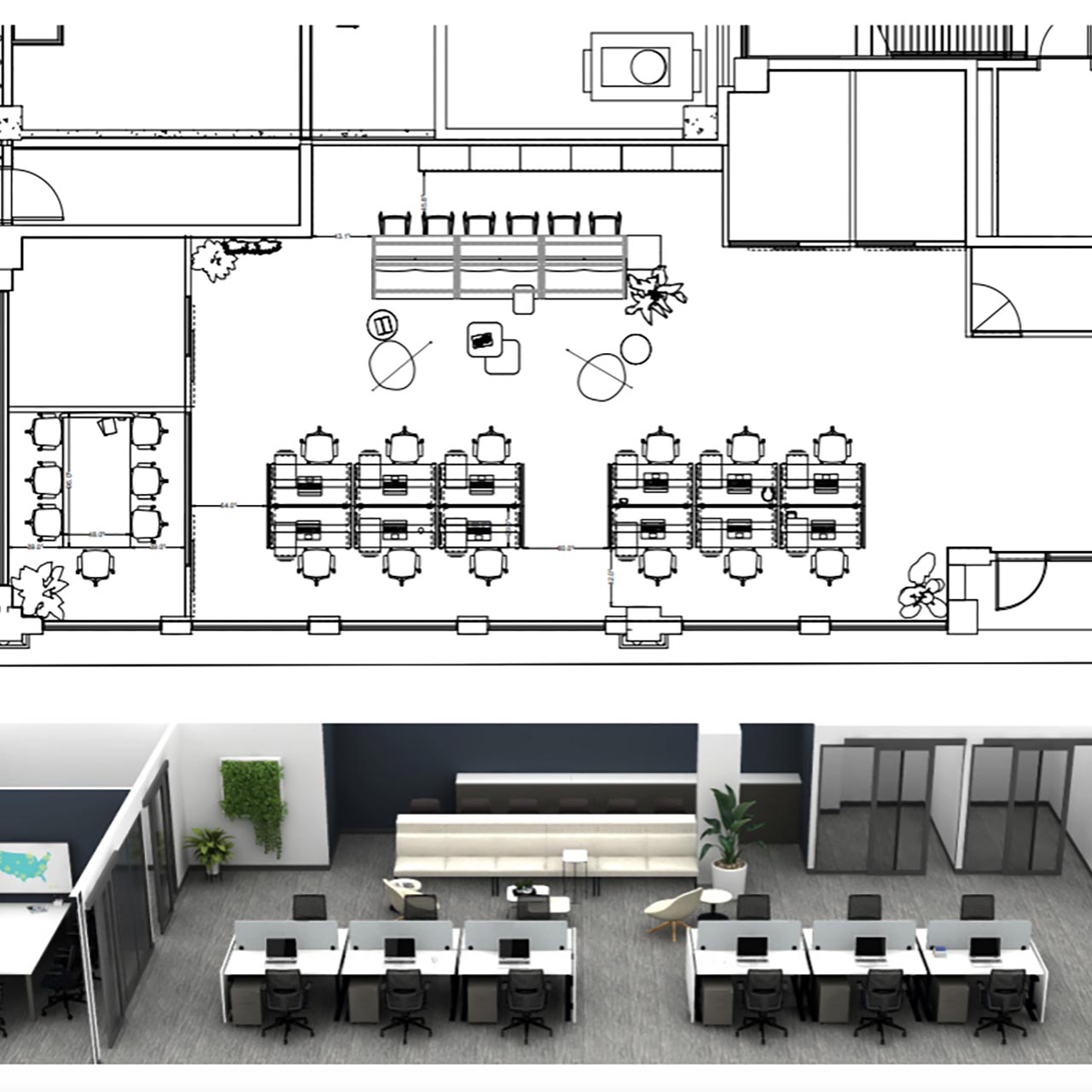
With a dedicated designer, the relationship becomes more efficient over time because they develop a working knowledge of your business. They become familiar with your standards, product lines and preferred ways of setting up projects. They also learn the level of detail your team expects and the checks that need to be completed before work is returned to you.
Each of these efficiencies may save only a small amount of time on a single project, but across dozens of projects, revisions and deadlines, the difference can become significant. The value is not simply in the number of hours saved on CAD production. It is in what your team is able to do with that time instead.
A salesperson may be able to spend more time with a client, while a senior designer can focus on a complex project rather than reviewing routine work. A project manager may be able to keep a deadline moving instead of tracking down answers or clarifying basic requirements. When a new opportunity comes along, your team also has more capacity to respond to it.
That opportunity cost is easy to overlook when the decision is based only on the price of producing a drawing. The more important question is what your internal team could be doing while that work is being completed accurately and efficiently.
Less Back-and-Forth
With a dedicated designer, the relationship becomes more efficient over time because they develop a working knowledge of your business. They become familiar with your standards, product lines and preferred ways of setting up projects. They also learn the level of detail your team expects and the checks that need to be completed before work is returned to you.
Each of these efficiencies may save only a small amount of time on a single project, but across dozens of projects, revisions and deadlines, the difference can become significant. The value is not simply in the number of hours saved on CAD production. It is in what your team is able to do with that time instead.
A salesperson may be able to spend more time with a client, while a senior designer can focus on a complex project rather than reviewing routine work. A project manager may be able to keep a deadline moving instead of tracking down answers or clarifying basic requirements. When a new opportunity comes along, your team also has more capacity to respond to it.
That opportunity cost is easy to overlook when the decision is based only on the price of producing a drawing. The more important question is what your internal team could be doing while that work is being completed accurately and efficiently.
Give Your Internal Team More Capacity
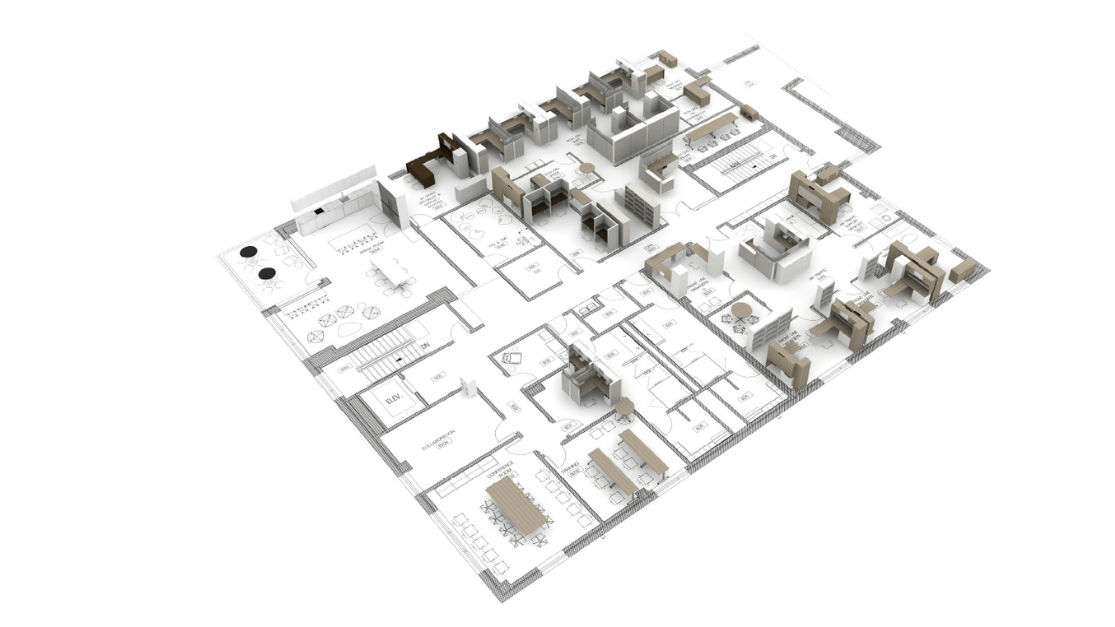
Workloads rarely increase in a neat or predictable way. A large project may arrive, an RFP may require an immediate response or several deadlines may converge at once. In those situations, outside CAD support can provide valuable additional capacity, but adding another person does not automatically make a team more efficient.
If the new designer requires constant briefing, checking and correction, some of the capacity gained is quickly used up managing the relationship. A dedicated designer helps reduce that friction because familiarity grows with each project. Over time, the work becomes easier to delegate, easier to review and easier to trust.
That allows your internal team to stay focused on the areas where its time and expertise have the greatest impact. Instead of spending valuable hours explaining routine requirements or managing every stage of a drawing, they can concentrate on clients, design decisions, project strategy and new business opportunities.
Support That Becomes Part of the Team
The best outsourced relationships do not feel heavily outsourced. That does not mean an outside designer replaces your internal team. It means they understand enough about your business to work comfortably alongside it and contribute in a way that feels consistent with your existing processes.
You know who you are working with, they understand what you expect and, when another project arrives, you do not have to begin the relationship from the beginning. That continuity creates practical benefits throughout the day, including fewer explanations, fewer unnecessary revisions, faster handoffs and less time spent managing work that should simply move forward.
Individually, those benefits may seem minor. Together, they give your team something more valuable than saved CAD hours: more time for the work that moves the business forward.
You need a designer who knows how you work.
Learn more about KiSP CAD & Space Planning Services: https://kisp.com/services/cad-space-planning/