
5 Big Furniture Trends from EdSpaces 2025
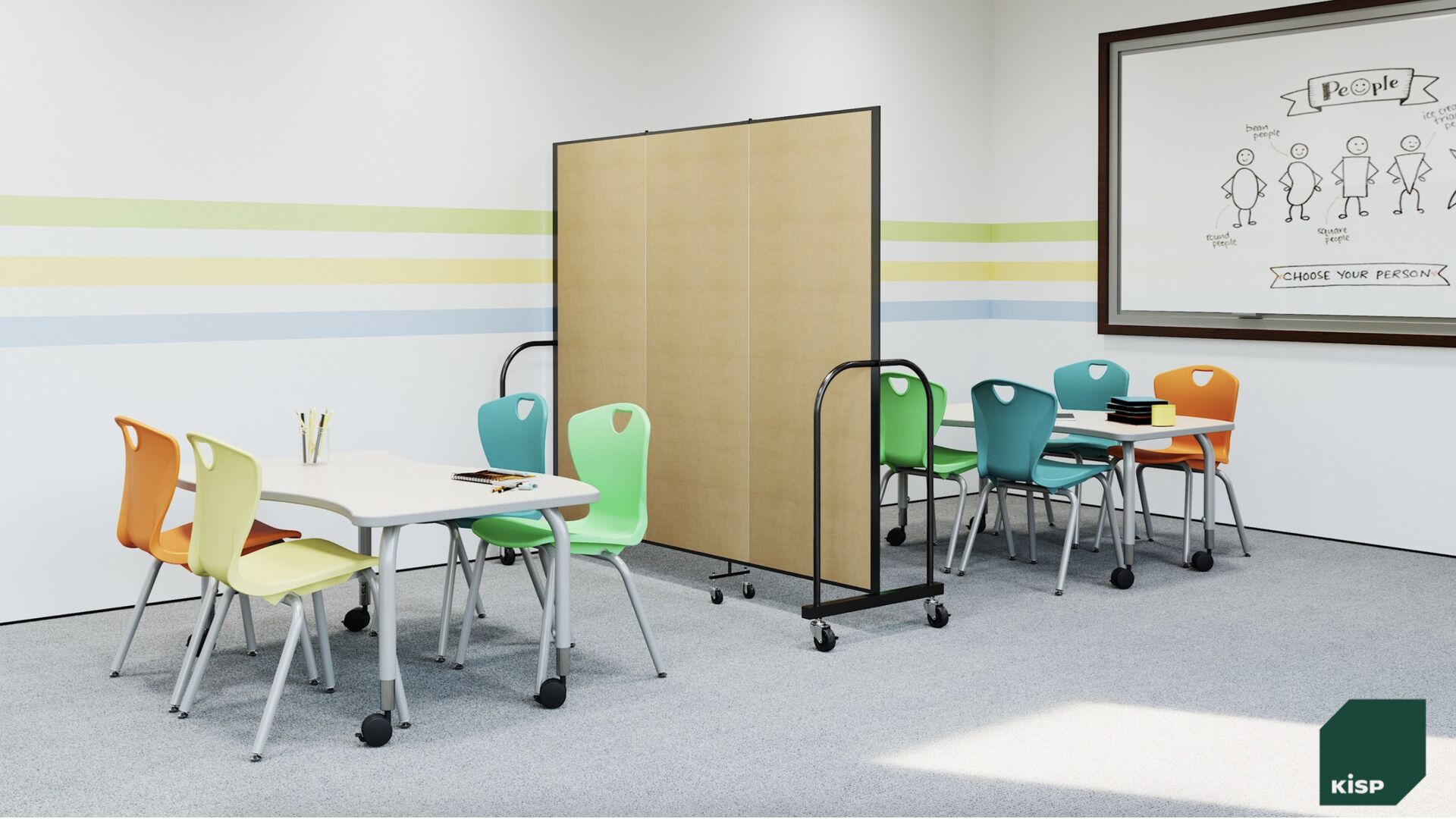
If the trends from EdSpaces 2025 taught us anything, it’s that the classroom of the future isn’t just about “smart” boards and sleek desks—it’s about being smart when considering who exactly is in that classroom. This year’s event brought together the best minds in education design, and the consensus was clear: we are moving away from rigid instruction toward environments that are flexible, adapt, and care for the people inside them.
From the show floor to the educational sessions, here are the five biggest Furniture trends from EdSpaces 2025 defining the next generation of learning spaces. We want to make sure you are aware of these trends so that you can take advantage them when using tools like The KITS collaborator.
The End of “Sit and Listen”: A Shift to Student Agency
The most visible shift this year was the definitive move away from the “cemetery seating” of the past—static rows of desks facing a single instructor.
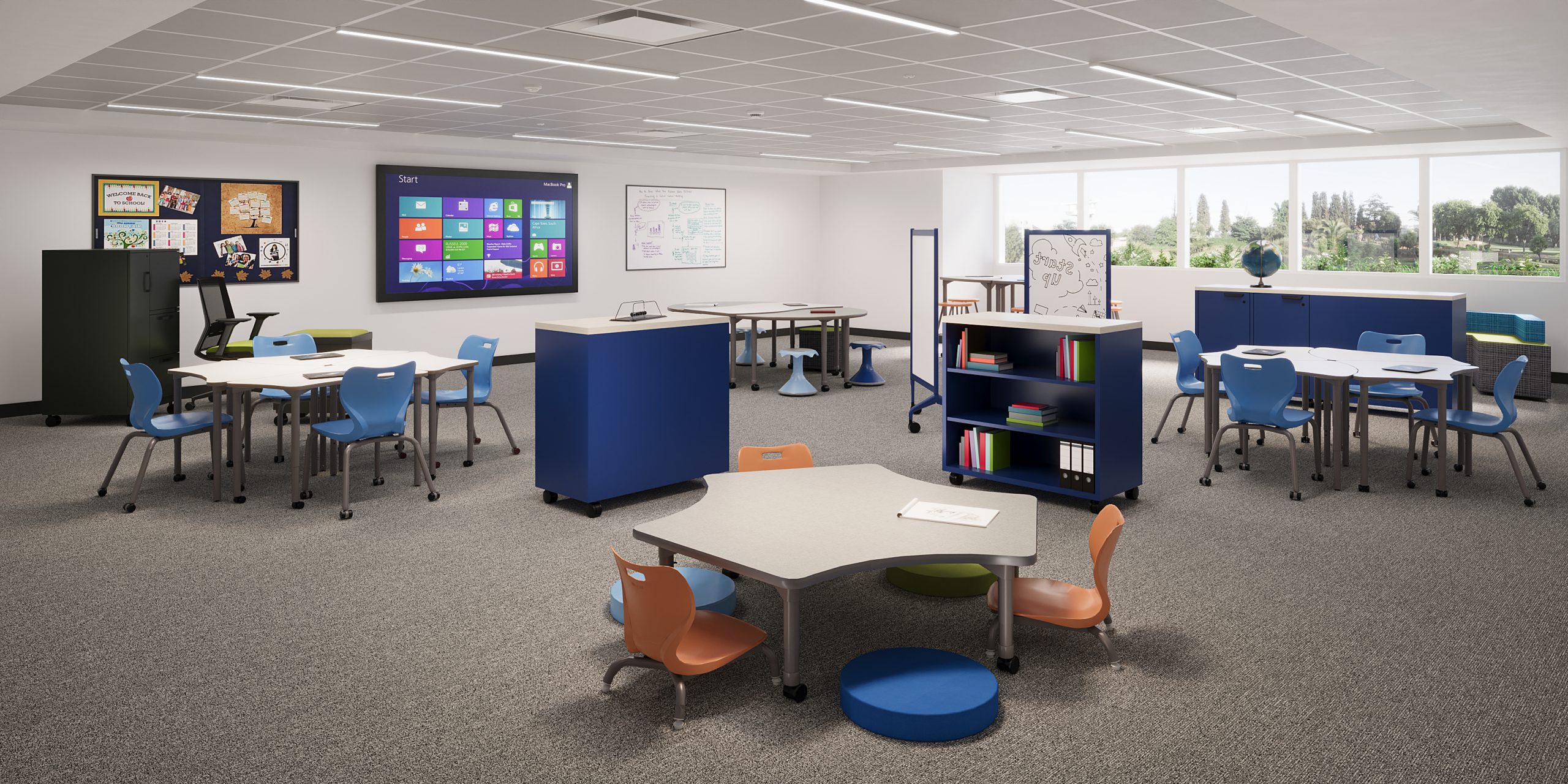
The focus is now on student agency. Furniture is designed to be mobile, stackable, and reconfigurable by the students themselves. We saw a surge in:
- Tiered seating systems that allow for casual, amphitheater-style gathering.
- Wobble stools and active seating that acknowledge a student’s need to fidget and move to focus.
- “Guide on the Side” layouts, where the teacher’s desk is mobile or decentralized, removing the hierarchy and encouraging educators to move among students as facilitators rather than lecturers.
Color Palettes are Going Back to Nature
Gone are the days of primary colors—the stark “school bus yellow” and “fire engine red” are being replaced by sophisticated, nature-inspired hues.
Biophilic design has matured from a buzzword into a standard practice. Exhibitors showcased palettes heavily influenced by the outdoors, specifically chosen to lower cortisol levels and reduce cognitive fatigue:
- Deep Forest Greens & Moss tones for grounding and calm.
- Terracotta and Sandstone warm neutrals that make large spaces feel cozy.
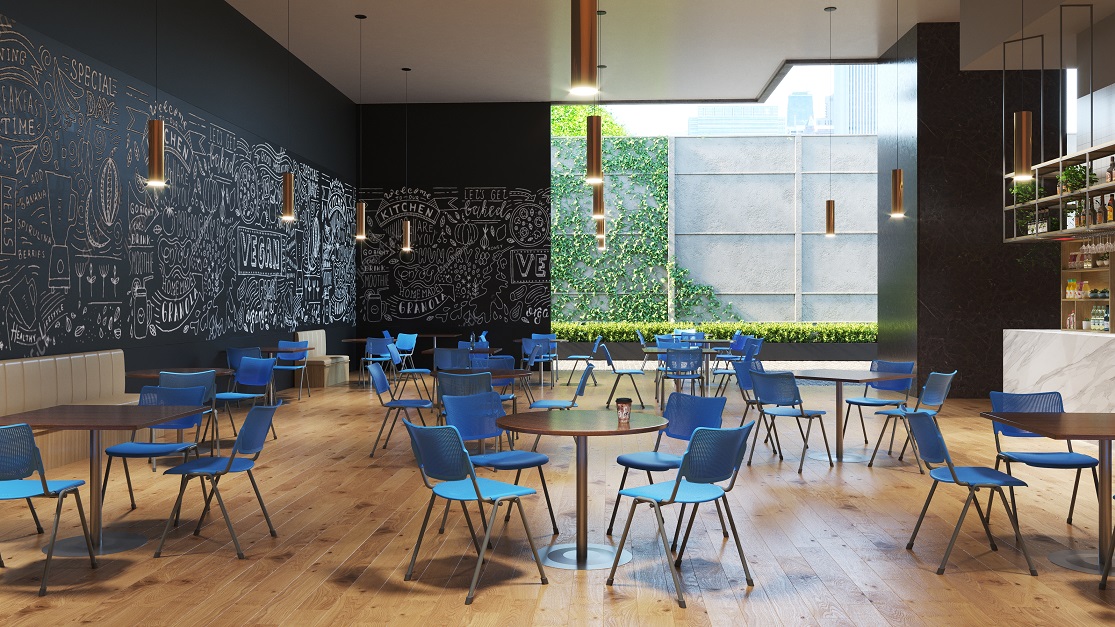
- Oceanic Blues and Teals that promote concentration and serenity.
The Classroom Has No Walls: The Rise of Outdoor Learning
One of the most exciting trends is the erasure of the boundary between “indoors” and “outdoors.” Driven by the post-pandemic realization that fresh air is vital for health, schools are demanding outdoor spaces that are just as functional as indoor ones.
We saw a significant rise in outdoor-rated durable furniture that doesn’t look like playground equipment. Think weather-resistant seminar tables, amphitheater seating carved into landscapes, and solar-powered charging stations that allow a history lesson to happen under an oak tree just as easily as in a lecture hall.
Small Tech, Big Impact: The Power of Incremental Upgrades
While there were plenty of flashy gadgets, the real story was about incremental tech integration—small, manageable upgrades that solve daily friction points without requiring a massive renovation.
Schools are looking for high-impact, low-disruption tools:
- Seamless Power Integration: Tables and soft seating with built-in USB ports so learning never stops due to a dead battery.
- Acoustic Tech: Sound-masking technology and improved microphone systems that ensure hybrid or hard-of-hearing students catch every word.
- Simple Cast-to-Screen Tools: Allowing students to instantly throw their work onto a shared screen from their own device, making collaboration instantaneous.
Wellness is the Ultimate Design Metric
Finally, the overarching theme of EdSpaces 2025 was mental health by design. Furniture and spatial planning are being treated as frontline tools in the battle against student anxiety and burnout.
This trend manifests in “respite zones”—small, quiet corners equipped with high-backed, acoustic soft seating where a student can retreat for a moment of sensory regulation. The goal is to create spaces that feel safe and inclusive, validating the emotional needs of learners so they are mentally ready to engage with the curriculum.
Key Takeaway
The trends from EdSpaces 2025 prove that the future of education isn’t just about what students learn, but how and where they feel comfortable learning. By embracing flexibility, nature, and wellness, we are building schools that don’t just house students—they heal and empower them.